URAL - 2016 Sidecars
The end of sidecars? Quite the opposite!...
2016 marks the introduction of several new technical features: electronic fuel injection, three-disc brakes, and even a price reduction!
New models, such as the Tourist Cross at 16,300 and the Sportman Cross at 17,100.- Ural Ranger Gobi at 17,550.- URAL CT with 18" wheels at 15,600.- URAL T WD at 15,600.- URAL Retro at 17,000.- !
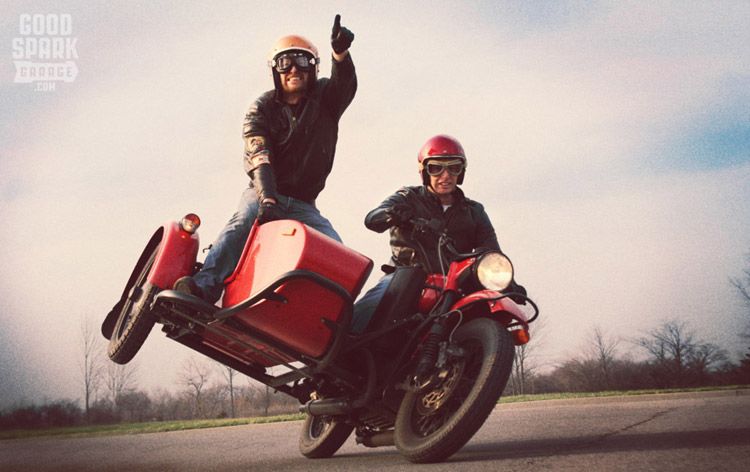
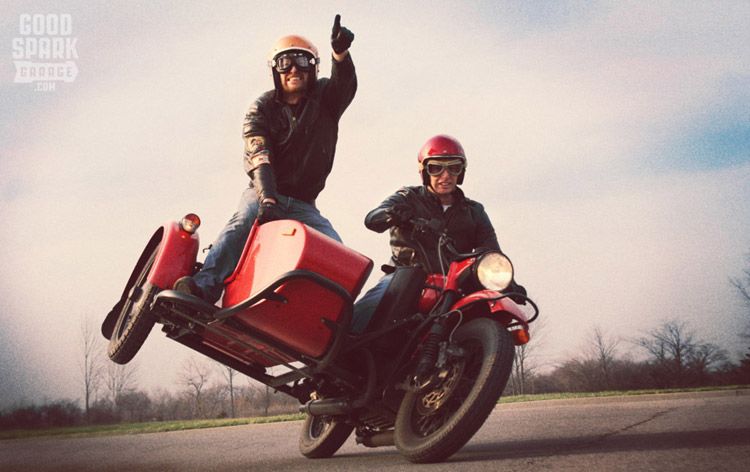
The spirit lives on, and more and more sidecar riders are being spoiled by the URAL brand, which expands its lineup year after year by creating new models designed for an ever-wider range of uses, offering significant improvements in both usability and safety!
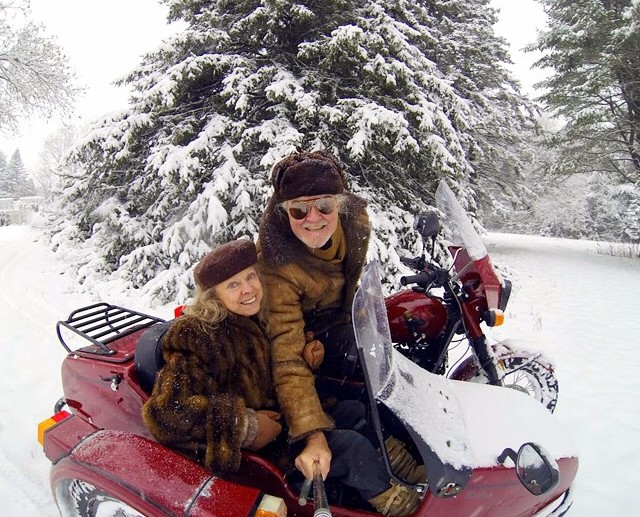
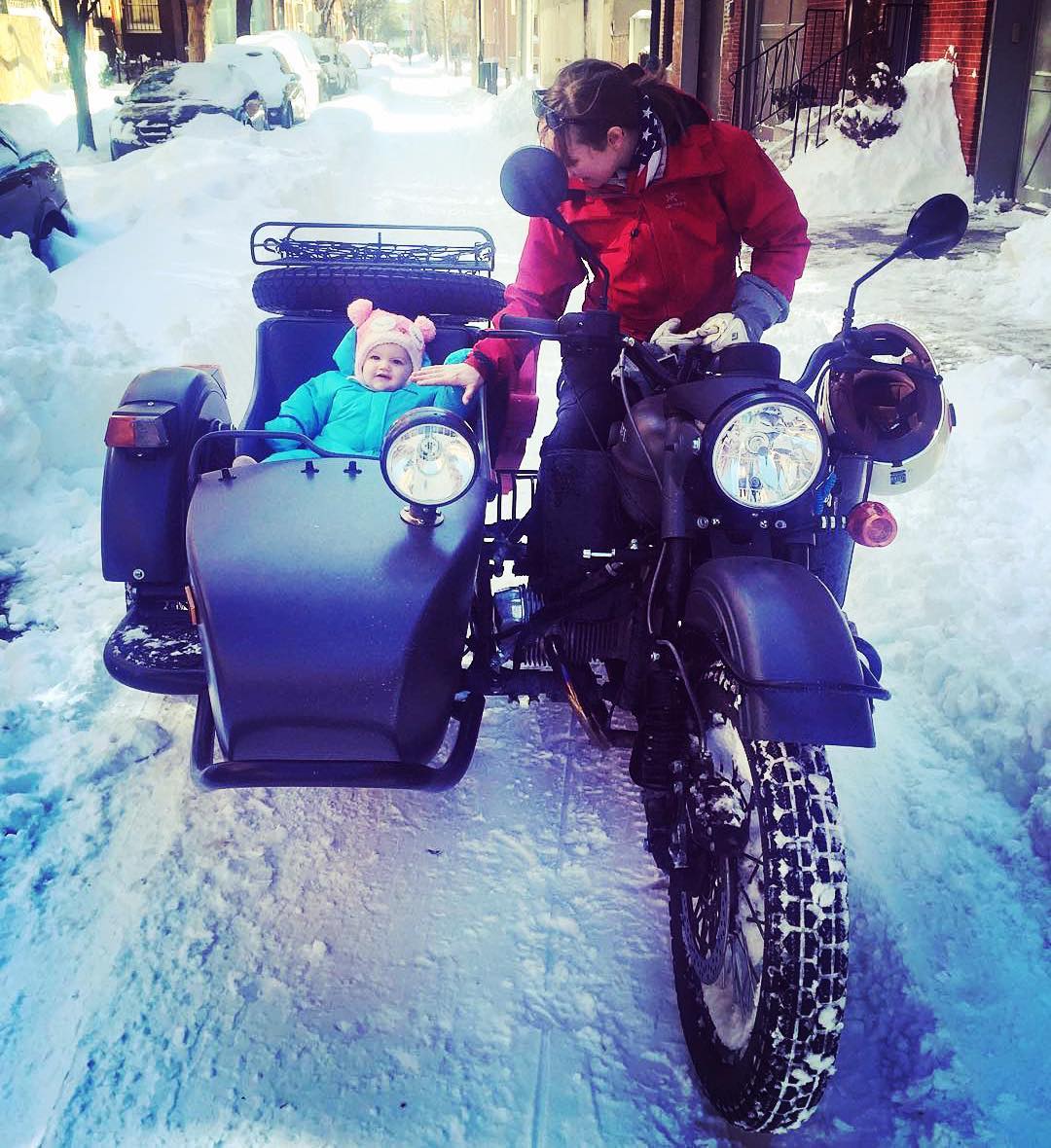
URAL is a classic take on the sidecar, perfect for sharing with a friend or a loved one.
Whether it’s the Neo-Vintage trend that’s sweeping the motorcycle industry—with its aptly named “Retro” models—or the new “Adventure” trend featuring cross-style bikes that are perfect for: off-road riding, amateur dirt track racing, or grand adventures in distant lands on trails that aren’t necessarily marked.
Finally, Ural has jumped on the matte color trend: Matte Asphalt, Metallic Burgundy, Matte Azure, and Matte Terracotta.
Vintage Style with the Ural Retro.
Ural Retro
This is the most beautiful model from the Ural brand, with its retro look—as the name suggests—that evokes the charm of classic 1950s models.
But while the look dates back to the 1950s, the mechanics are very modern.
The tank's oblong shape is reminiscent of the M72, Ural's very first sidecar.
The meter and indicator lights are built into the headlight housing.
Since 2009, the fork has been a Marzocchi.
It features a low-slung frame and 18-inch wheels.
Reverse gear is easily engaged using the lever located near the fuel tank, similar to shifting gears on older motorcycles, at 17,000.-
Ural Cross
The Ural Cross is one of those revolutionary models that come along once every 10 years in the Ural family.
It was developed in response to requests from European consumers who wanted a model specifically designed for adventure.
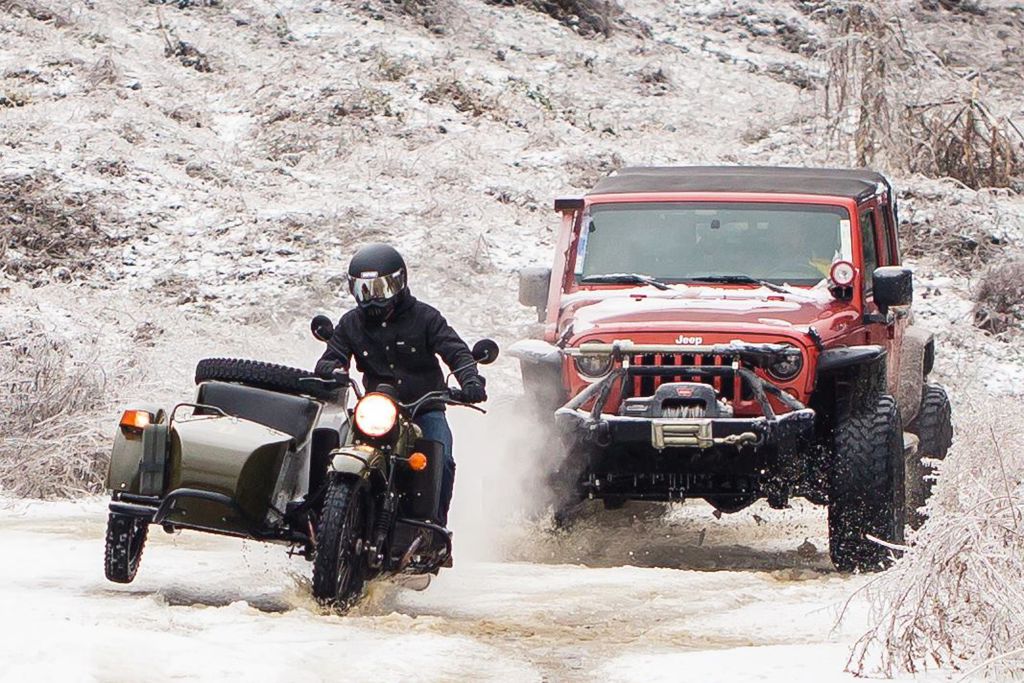
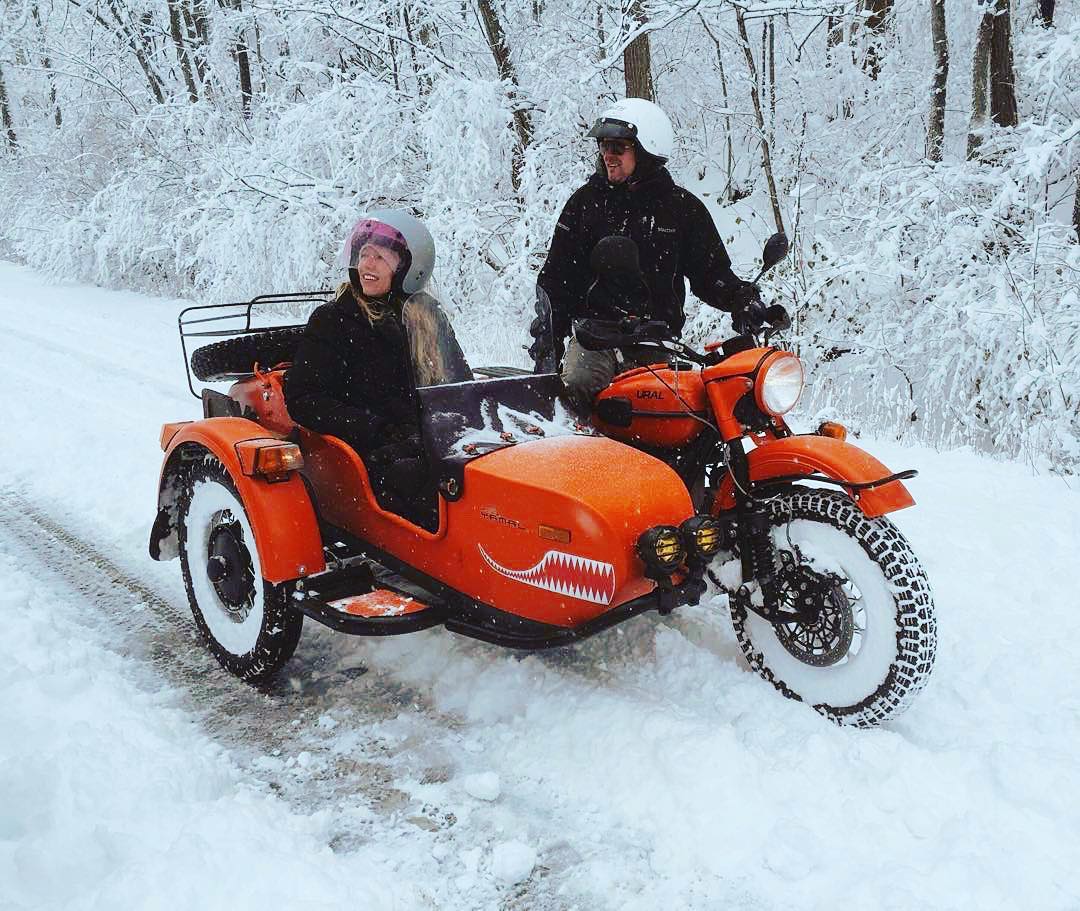
A sidecar capable of carrying heavy and varied loads over rough, snow-covered terrain and even competing in amateur off-road races.
That is why passenger comfort has been stripped down to the bare essentials on this Ural Cross, though several grab bars have been added so that the passenger can become one with the bike.
This allows it to function as a co-pilot for the vehicle, thereby improving both its stability and traction, particularly during competition.
The adventurer who wants to travel the world has different needs.
Lockable storage compartments have been installed under and behind the passenger seat, and the space there can also serve as a significant storage area.
The Ural Cross comes standard with an engine guard.
The Ural T, the "Spartan," is the most affordable model
The Ural T, which is essentially the "budget" option in the Ural lineup, will be available starting at 15,600 RUB.-
This low price is made possible by reducing the equipment level to the bare minimum, somewhat in the spirit of what Henry Ford achieved historically with his Ford Model T.
The Ural CT features 18-inch wheels and comes without a passenger seat, windshield, cylinder guard, or spare tire. It is available in a single color—black—which covers the entire sidecar and features no chrome. Priced at 16,300.-
It goes without saying that everything can be purchased via separately sold accessories.
This T model went on sale in the U.S., where it was a huge hit, particularly among young people and novice sidecar riders.
In fact, it seems that the all-black design of this sidecar has appealed to buyers by giving it a modern, trendy look that’s less clunky than the Model T.
The very low price of this Ural also makes it a good alternative to buying a used vehicle when looking to purchase a new sidecar, especially since used models are rare in Europe, largely because Ural owners generally keep their vehicles for a very long time, making low-mileage used models expensive.
Let’s not forget that, with the Ford Model T, Henry Ford achieved the highest sales figures in the automotive industry for years.
Obviously, that’s all the bad luck we wish upon the Ural T.
The URAL T WD with two-wheel drive is expected to sell for around 15,600.
Ural Adventure
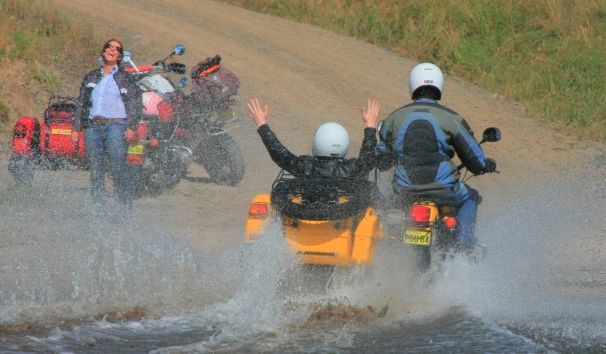
Just like other brands, Ural also organizes “Ural Adventure” rallies and rides for fans of these models.
Ural Ranger Gobi
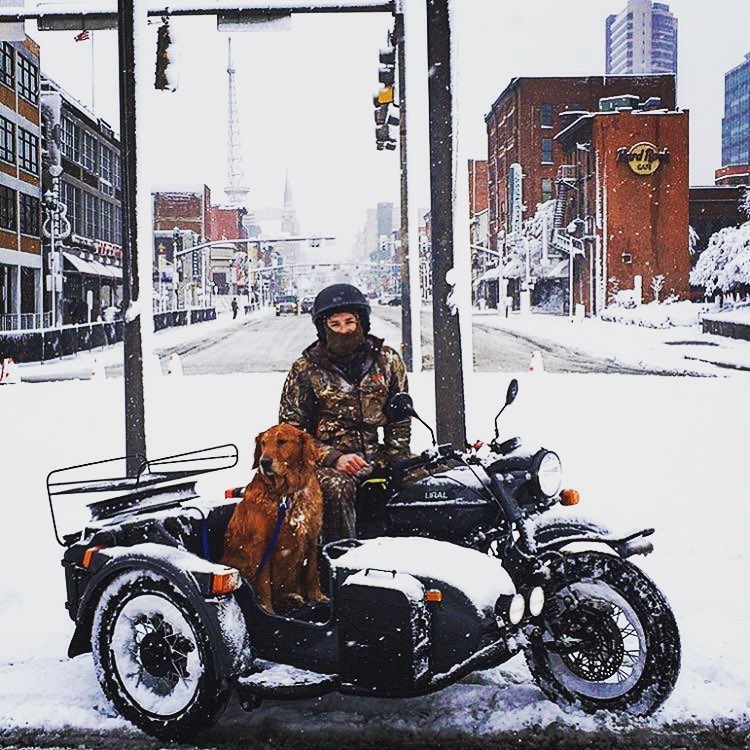
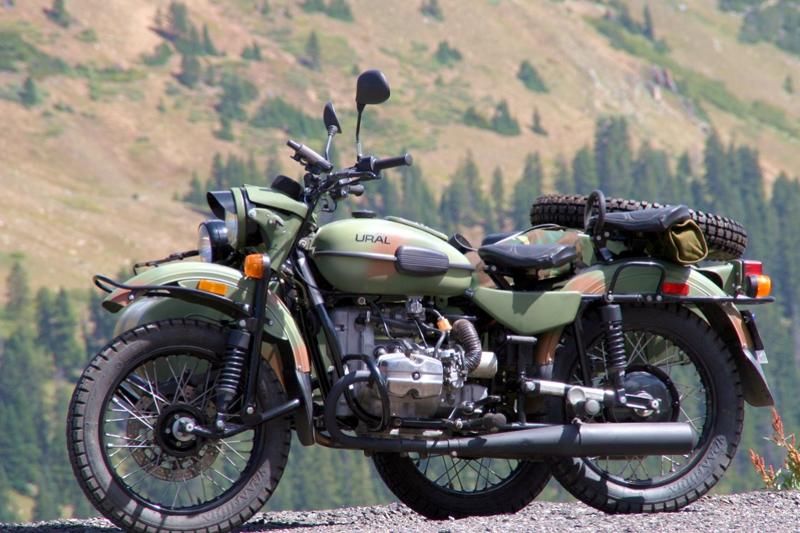
As its name suggests, the Ural Ranger Gobi pays homage to the brand’s military heritage. This model is designed for those who want a replica of vintage models to ride through the woods or go fishing in complete discretion while wearing camouflage.
In this case, the Gobi is designed more for trekking in the desert, where it will blend in perfectly with the landscape.
The Gobi comes standard with a directional headlight, an emergency fuel can, and a shovel for digging out of sand.
The Ural Ranger is also available in green, brown, and matte green, priced at 17,550.-
A bit of history
The predecessor to the Ural was the M72 model (which we also discuss below), which was a copy of the BMW R71.
The first models were assembled in Moscow, Leningrad, Kharkiv, and Gorky.
When Hitler invaded Russia, the production facilities were moved to the eastern part of the Soviet Union, to Siberia and the Ural Mountains, so that German planes could not reach or destroy them.
And on November 19, 1941, the first train loaded with machine tools and other equipment needed for production arrived in Irbit, a small town of 300 people east of the Urals.
Production began in the buildings of a brewery, which quickly proved to be too small, and continued outdoors—notably in Siberia, in freezing temperatures, as one can easily imagine.
But despite all these drawbacks, the first M72 models were ready for use and operational as early as 1942.
However, the URAL factory faced a serious crisis in 2009, as production dropped to just 500 units and the number of employees was reduced to 150.
New environmental laws have also forced the site to close its galvanizing plant.
But in 2011, production returned to normal, with 950 units produced, and in 2013, 1,200 units.
The Ural brand's main market is in the United States, where two-thirds of its production is sold.
Outside Europe, the URAL brand is sold in Canada, Australia, Japan, South Africa, and South Korea, while very few are sold in Russia.
The first M72s rolled off the assembly lines on November 19, 1941, in Irbit, Siberia, in the Ural Mountains, just before the war forced the factory to relocate, notably to the Moscow area.
All the models produced were intended for troops on the battlefield. Approximately 9,500 Urals contributed in their own way to the victory, serving as troop transport vehicles, reconnaissance vehicles, or even ambulances.
Of course, at that time, it was impossible to imagine that 70 years later, Ural would be the world’s last manufacturer of sidecars and would become a cult brand.
Since 1941, more than 3 million units have been produced by the Irbit Motorcycle Factory.
In November 2011, URAL celebrated the 70th anniversary of the IMZ-Ural by introducing the model...
...M70 Anniversary Edition... Too late—it's sold out! < />A model dedicated to the first M72 assembled in Irbit, designed to be as close to the original as possible, particularly in terms of its original color.
The IMZ logo has not appeared on Urals since 1956.
After meticulous research, a logo nearly identical to the original was finally reproduced and affixed to the M70 Anniversary Edition.
The M70 is equipped with 18-inch wheels, a Marzocchi telescopic fork, a Sachs shock absorber, and a Brembo 4-piston disc brake.
Discover new, unique experiences “JUST LIKE YOU”… and come join the big URAL family!
URAL Scrambler – Hurry, there are only a few left!